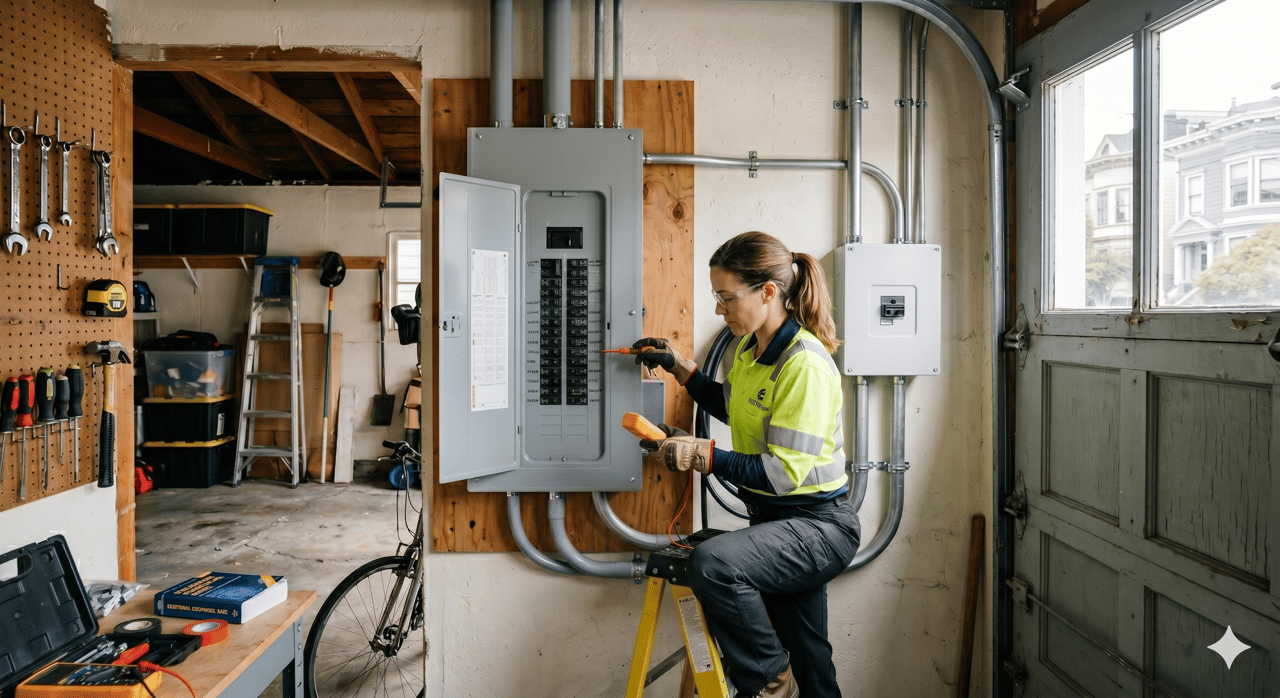
Before You Remodel: SF’s New All-Electric Rules
Remodeling Before Selling Ted Manahan June 17, 2026
Remodeling Before Selling Ted Manahan June 17, 2026
San Francisco’s All-Electric Major Renovations Ordinance (Ordinance No. 174-25), which passed in September 2025, goes into effect on July 1, 2026. The ordinance requires existing buildings undergoing certain major renovations to remain or convert to all-electric systems.
If triggered, the project must generally use electricity for:
Space heating and cooling
Water heating
Cooking appliances
Clothes dryers
Per Ordinance No. 174-25, a house or building may need to convert to an all-electric system if a project involves both significant building alterations AND substantial upgrades to heating and hot-water systems.
The ordinance does not apply to routine remodeling projects such as replacing a stove, furnace, or water heater, or completing a typical kitchen or bathroom remodel. It is primarily intended for major rehabs, substantial renovations, and significant additions.
The rule generally applies when two things come together:
A project involves significant building work, such as a major alteration, substantial renovation, or significant addition.
The project ALSO includes a substantial upgrade to heating or hot-water systems.
If you are doing a gut-level remodel, opening up large portions of the home, adding new space, replacing major heating and hot-water systems, or substantially changing the structure or layout, this rule may need to be part of the planning conversation.
But if you are doing ordinary pre-sale work, the rule probably does not apply.
That includes typical projects like painting, flooring, staging, cleaning, hauling, landscaping, light fixture updates, minor repairs, appliance replacement, or a standard kitchen or bathroom refresh.
The bottom line: this is not a broad ban on gas appliances in existing homes. It is aimed at a narrower category of major renovation projects.
But for older San Francisco properties, especially homes with deferred maintenance or larger planned improvements, the rule may significantly affect cost, design, permitting, and timeline.
The first thing I always ask my clients is: What are your goals?
Ask yourself:
Am I trying to sell quickly and affordably?
Am I trying to maximize resale price through heavier improvements?
Am I updating the home for my own use?
Am I improving a rental or short-term rental?
Am I dealing with an inherited, trust, or probate property?
Am I trying to solve a specific condition / issue before sale?
There are three main paths for renovation. Choosing the right path is essential to balance minimizing cost, shortening timeline, and maximizing sale price.
Light Cosmetic / Non-Permitted Updates
Paint, flooring, new light fixtures, some landscaping, etc.
Medium Permitted Updates
Remodeling Bathrooms / Kitchens, removing / moving non-structural walls, etc.
Major Renovation
New floor plans, down-to-the-studs remodeling, additional square footage, etc.
Answer the question: Does the work involve heating, hot-water systems, electrical capacity, structural work, added square footage, or opening large portions of the home?
If the answer is yes, then the work may trigger Ordinance No. 174-25 and require an all-electric system conversion. This means the heater / cooling system, water heater, and appliances will need to be converted to electric, and the gas service with meter ultimately removed.
If you are considering major or medium work before selling, start with the right questions and the right team.
A qualified contractor, architect, permit consultant, or the SF Department of Building Inspection can help you understand whether your project may require permits, whether it touches major systems, and whether San Francisco’s all-electric renovation rules may apply.
For some sellers, selling as-is is the cleanest path. For others, cosmetic preparation may create a better result. And for certain homes, targeted permitted work may produce the best return.
The point is not to avoid work. The point is to choose the right level of work for the property and your goals.
A local, experienced, and qualified Realtor can help you answer those questions, and put you in contact with the right people who can help along the way.
Making all these decisions can be overwhelming.
Sometimes the right plan is simple: clean out the property, paint, improve lighting, freshen the floors, handle basic landscaping, and present the home well.
Sometimes selling as-is with strong presentation, clear disclosures, and smart pricing is best.
Sometimes a larger remodel with permits makes the most sense.
And sometimes a house needs more than the budget allows to make it stand out in a highly-competitive market. That is why the goal matters. The right plan depends on what you are trying to accomplish, what the property needs, and who is helping you make the decision.
That's where I come in. As a full-service Realtor, I help my clients decide what to fix, what to leave alone, and how to get their properties to market quickly for a great return.
I connect my sellers with licensed contractors, architects, painters, landscapers, and more. I can also help coordinate the work, which is especially helpful for out-of-town owners.
For clients who want a great return on their investment, but prefer not to pay upfront, I offer a White Glove Service that allows preparation costs to be deferred until the property sells at close of escrow. This allows the budget to grow smartly, broaden the buyer pool, increase buyer interest and confidence, and support a stronger sale outcome.
The White Glove Service covers the upfront costs for all labor, materials, and permits; and the work is managed completely hands-off.
The work can extend even to electrical panel upgrades, kitchen / bathroom remodels, and significant landscaping. I monitor the work to keep the timeline on track.
The service is not designed for major additions, large square-footage expansion projects, or full-scale development work. But if your project is heading in that direction, I can connect you with qualified professionals who can explain the process and your options.
Before you spend heavily, get real advice from the right people.
That can save time, money, and stress.
This article is intended as a practical homeowner overview, not legal, architectural, construction, or permit advice.
If you are planning a renovation, especially one that may involve major systems, structural work, added square footage, or substantial permitting, review the official materials and speak with the appropriate professionals before making decisions.
Useful references include:
SF Chronicle: New SF rule mandates all-electric systems for major home renovations
San Francisco Ordinance No. 174-25 — All-Electric Major Renovations Ordinance
Rules, interpretations, exceptions, and implementation details can change. Before starting work, confirm current requirements with the San Francisco Department of Building Inspection, a qualified contractor, architect, permit consultant, or other appropriate professional.
For homeowners thinking about selling, the key question is not just whether work can be done.
It is whether the work makes sense before sale.
Before spending heavily, get the right advice early.
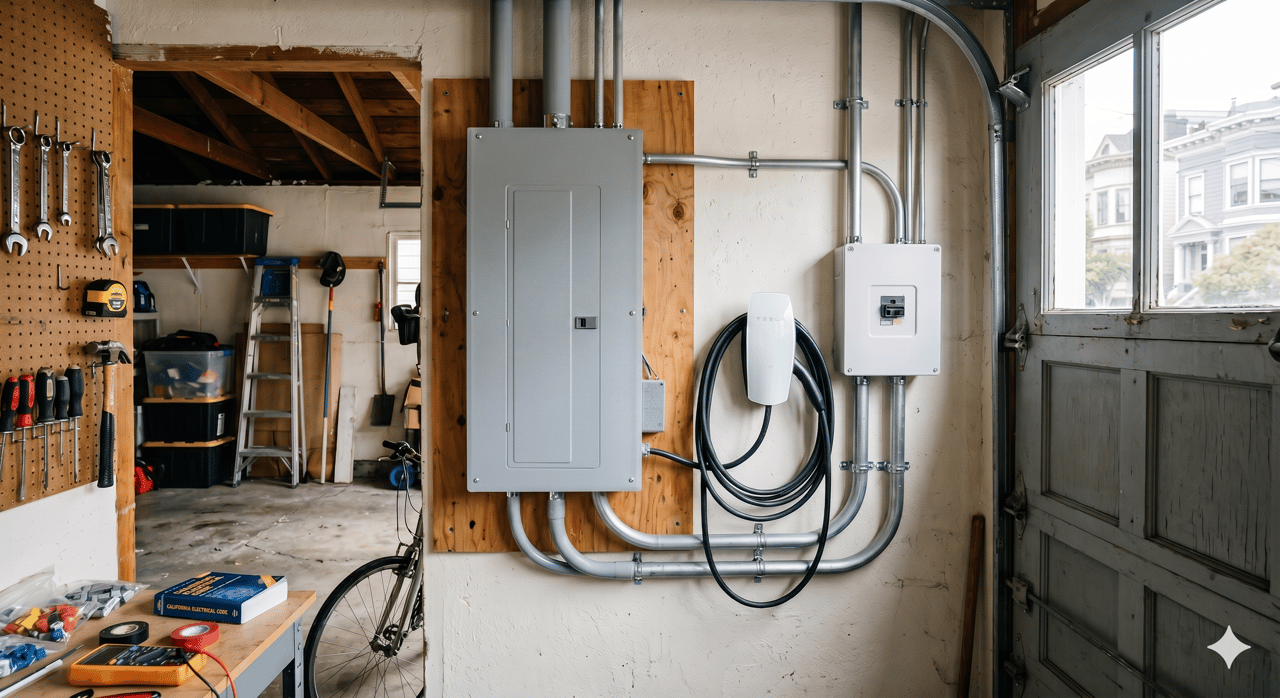


Stay up to date on the latest real estate trends.
Remodeling Before Selling
What San Francisco homeowners should know before starting major renovation work under Ordinance No. 174-25.
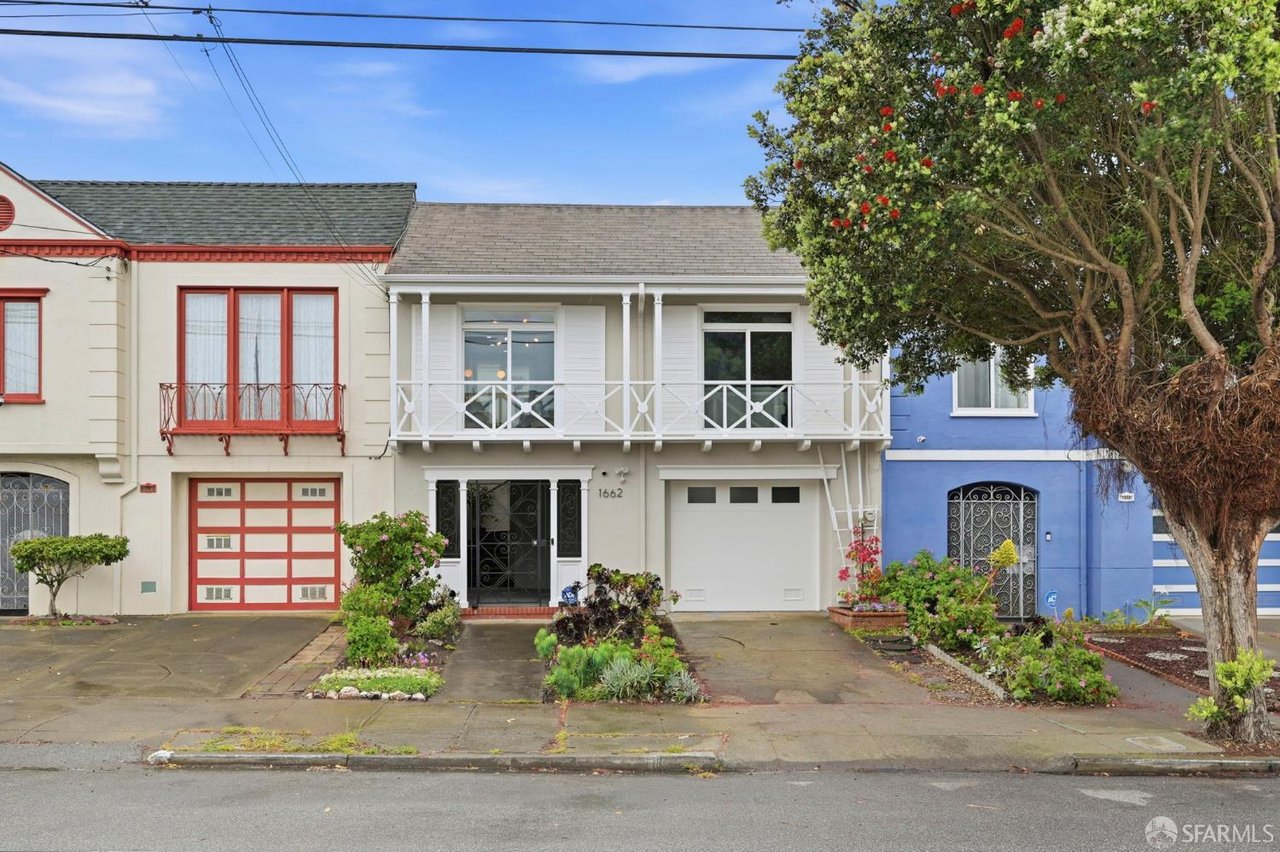
A 1662 42nd Avenue case study on how follow-up, neighborhood presence, and thoughtful offer strategy helped my clients secure their Outer Sunset dream home.
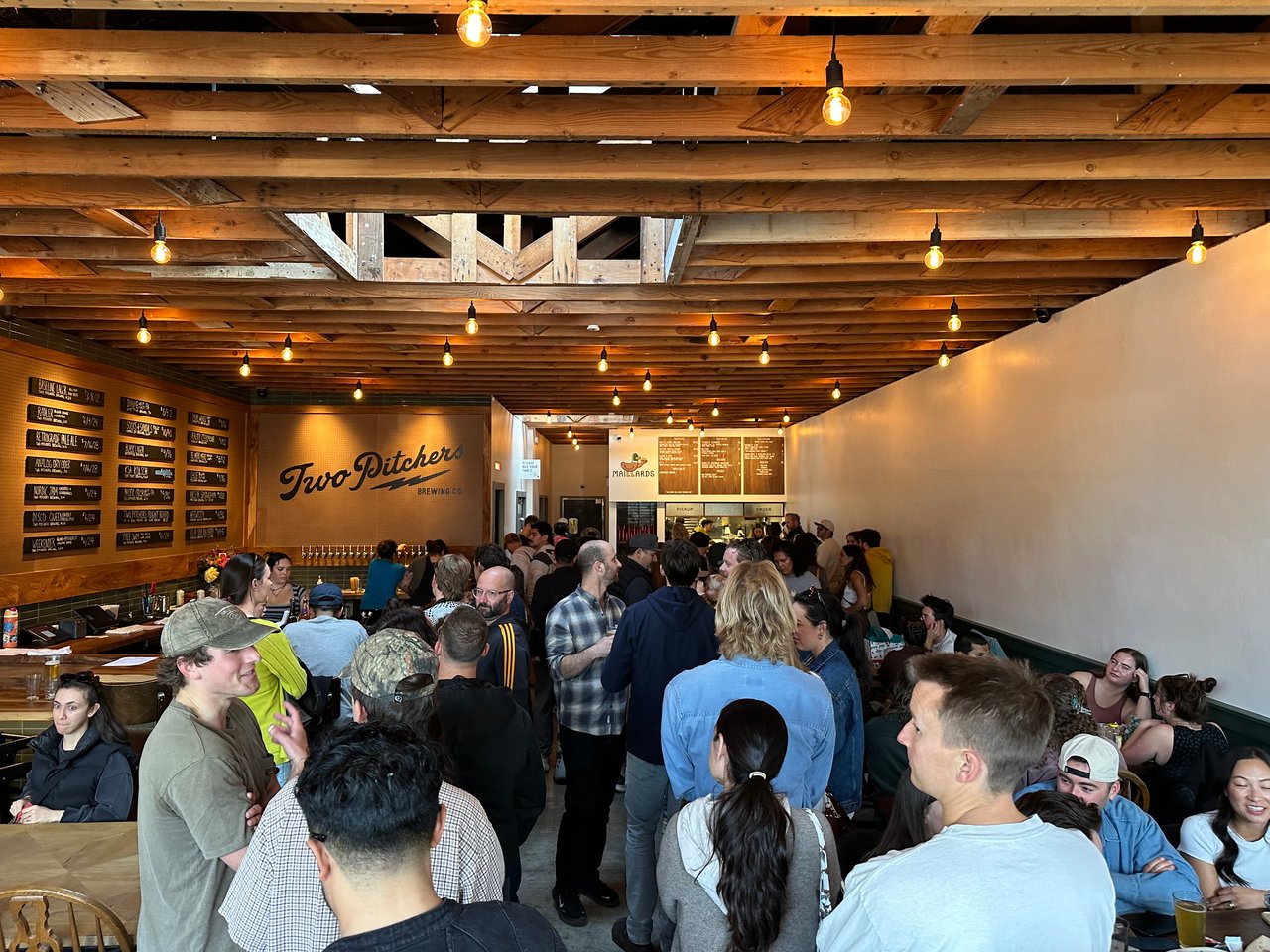
Smash burgers, local radler-style juice beer, and a line around the corner — new local businesses continue to thrive in the Outer Sunset.
From the feel of a street in the morning to how a block changes after sunset, I bring a local perspective you won’t get from listings alone. Whether you’re buying or selling, you’ll have someone in your corner who knows how San Francisco really works—and how to help you win in it.